
TRANSPARENCY / RESISTANCE – HIDDEN IN PLAIN SIGHT
Mellanluft is an installation and performative work by Torbjörn Johansson developed in relation to the former stud stables at Kohalen in Aarhus.
Galleri Spanien 19C, Aarhus 2018
Participating Swedish artists: Timo Menke , Ola Nilsson , Hanna Ljung, Anna Nyberg , Torbjörn Johansson
The project took place at Galleri Spanien 19C in Aarhus and focused on post-industrial urban zones undergoing transformation. The area around Spanien / Kohalen, at the southern edge of the harbor, has long been shaped by industrial activities such as slaughterhouses, stables, and port infrastructure. As these functions disappear, large residual spaces emerge—initially overlooked or marginalized, later reframed as sites of cultural and commercial interest.
The project examined questions of agency and power in urban development: Who shapes the city when industrial functions withdraw? Which spaces are allowed to remain non-commercial, unattractive, or unresolved? And how long do such in-between zones exist before being absorbed by economic forces?
Mellanluft,
Materials: timber studs, asphalt board, glass, fluorescent tubes
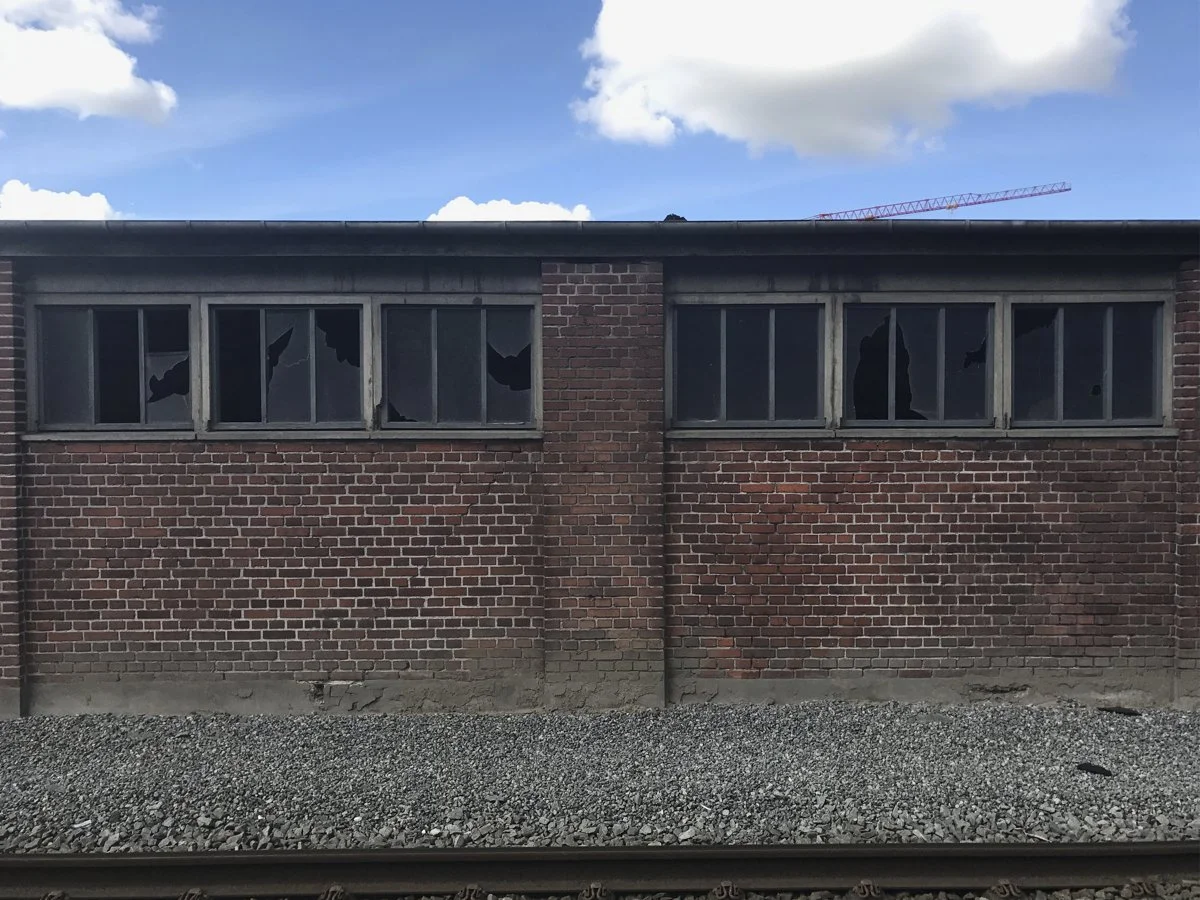
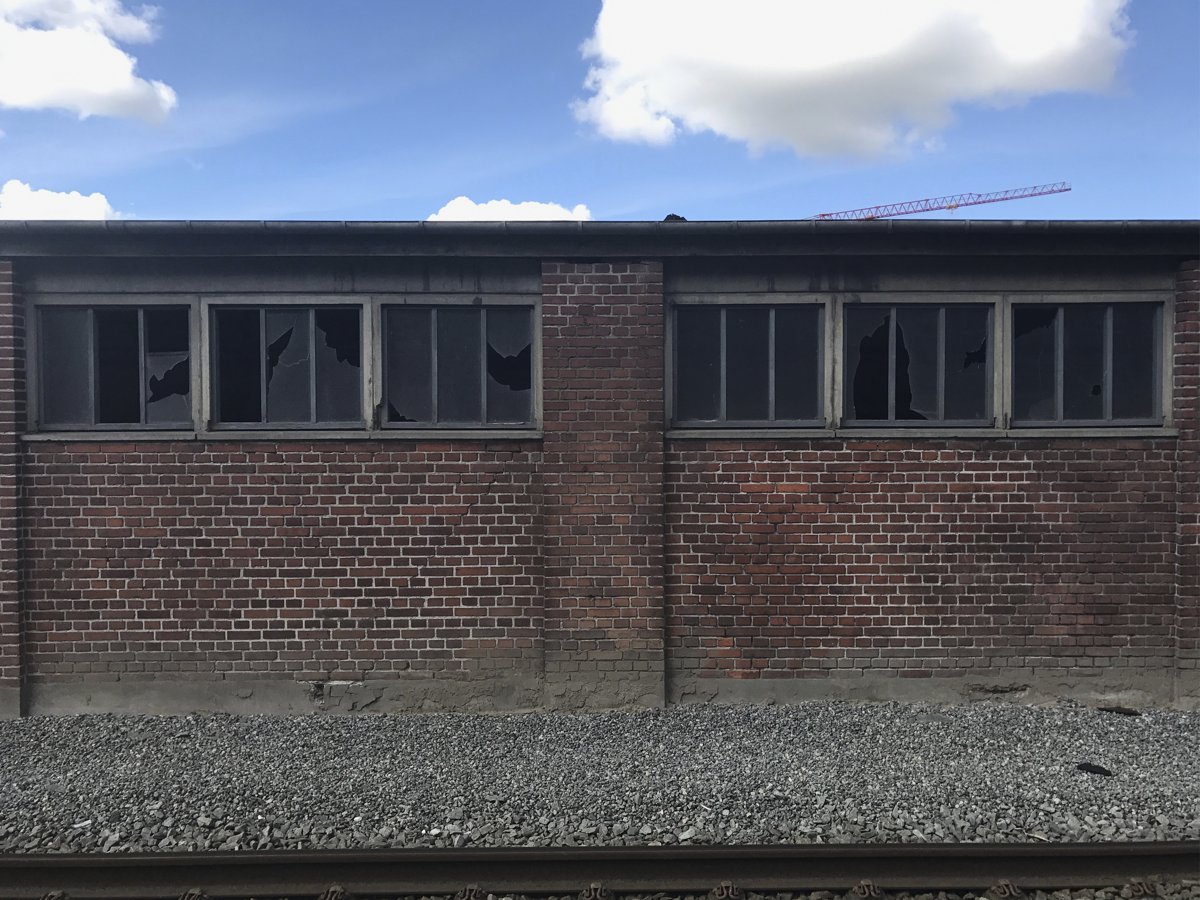
Mellanluft originated from the former stud stables at Kohalen, Aarhus. The installation addressed the city’s transformation through the tension between declining industrial use and the emergence of new public and semi-public spaces. The work reflected on what happens to places left behind when functions change—who occupies them, who controls them, and for what purposes.
The architecture of the stables, shaped by practical necessity rather than representation, became a key reference. Such spaces—unfinished, unpolished, and resistant to clear narratives—carry memories of labor and function. The installation emphasized this “in-between air,” a spatial and social condition where meaning remains unresolved.
Medium: projection, performance
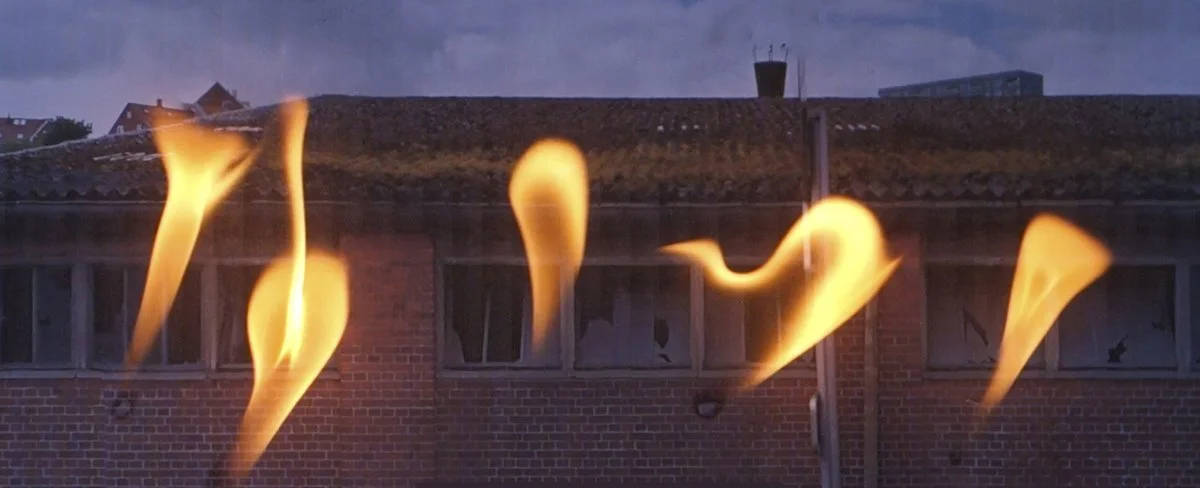
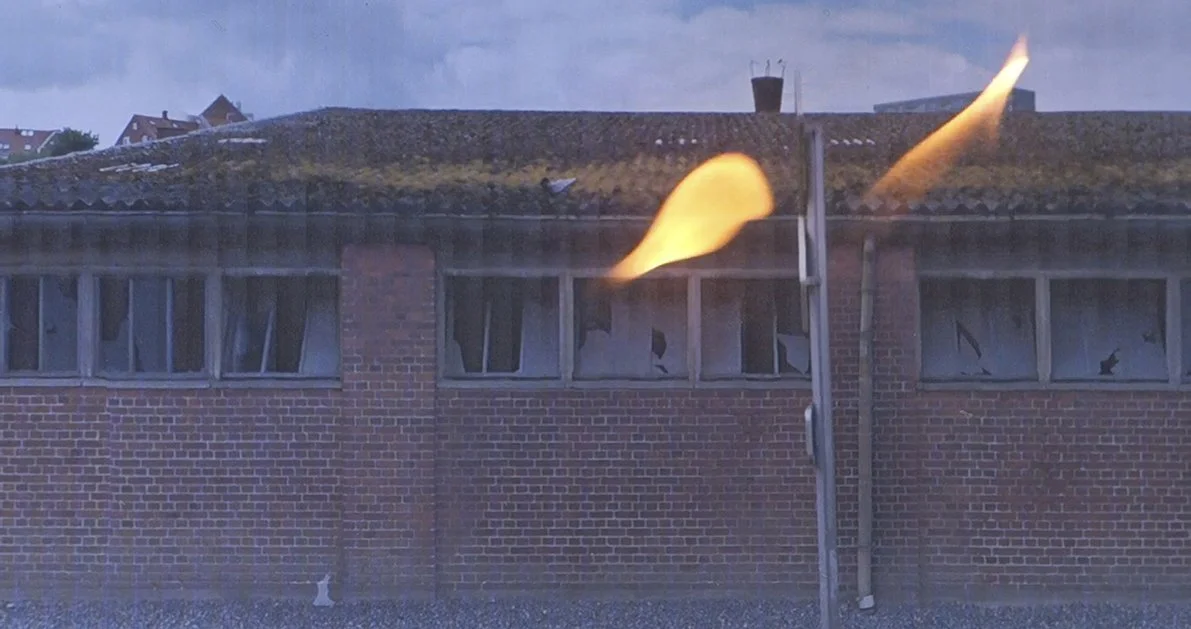
The initial intention was to work directly within the former stud stables at Kohalen, filling the entire structure with light—barely perceptible during the day, yet at night radiating through the cracked windows. Light and air were conceived as carriers of memory, moving between past and present.
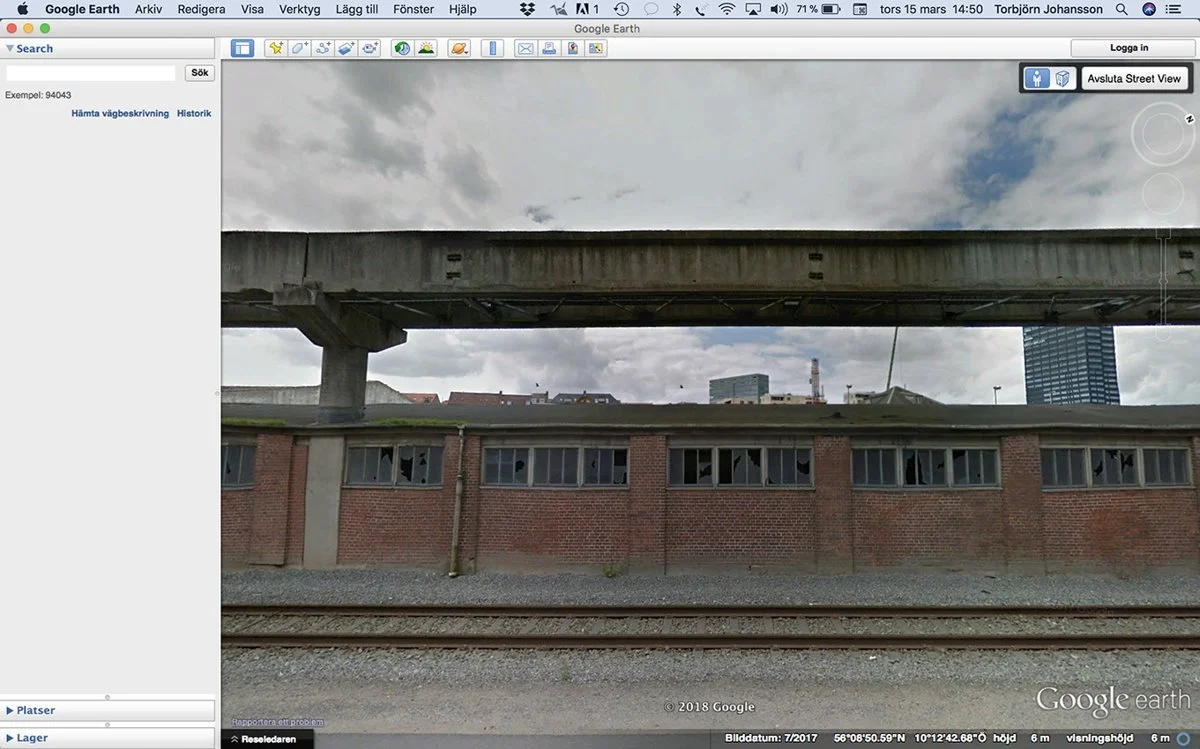
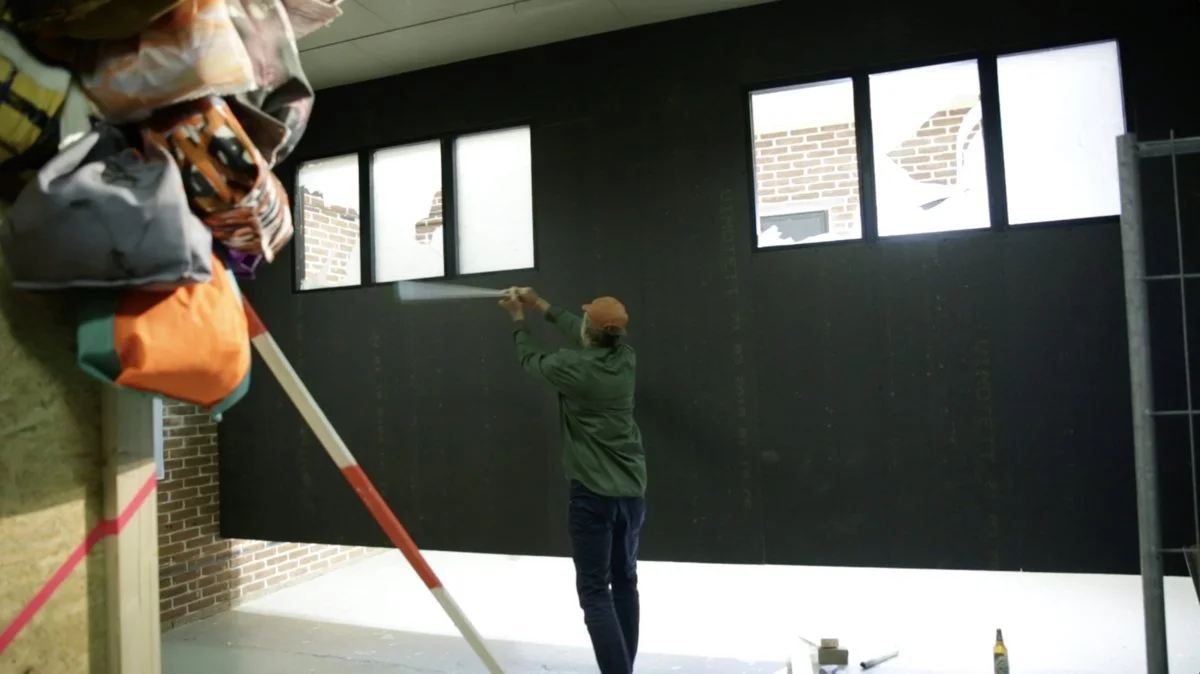
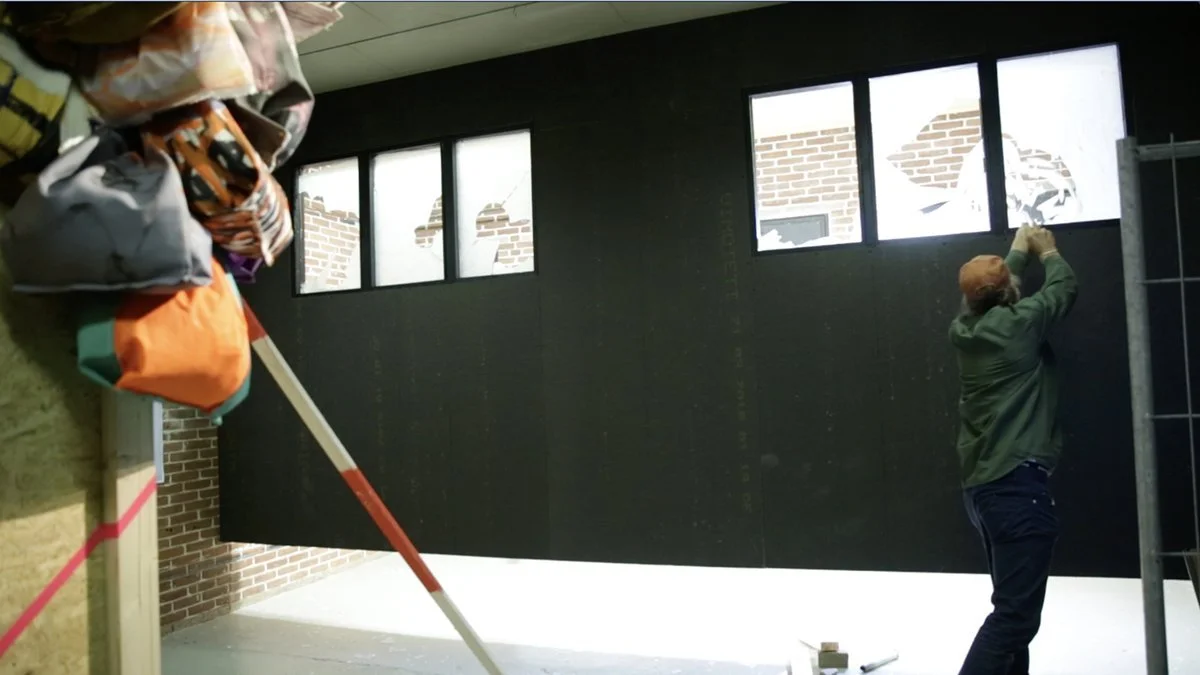
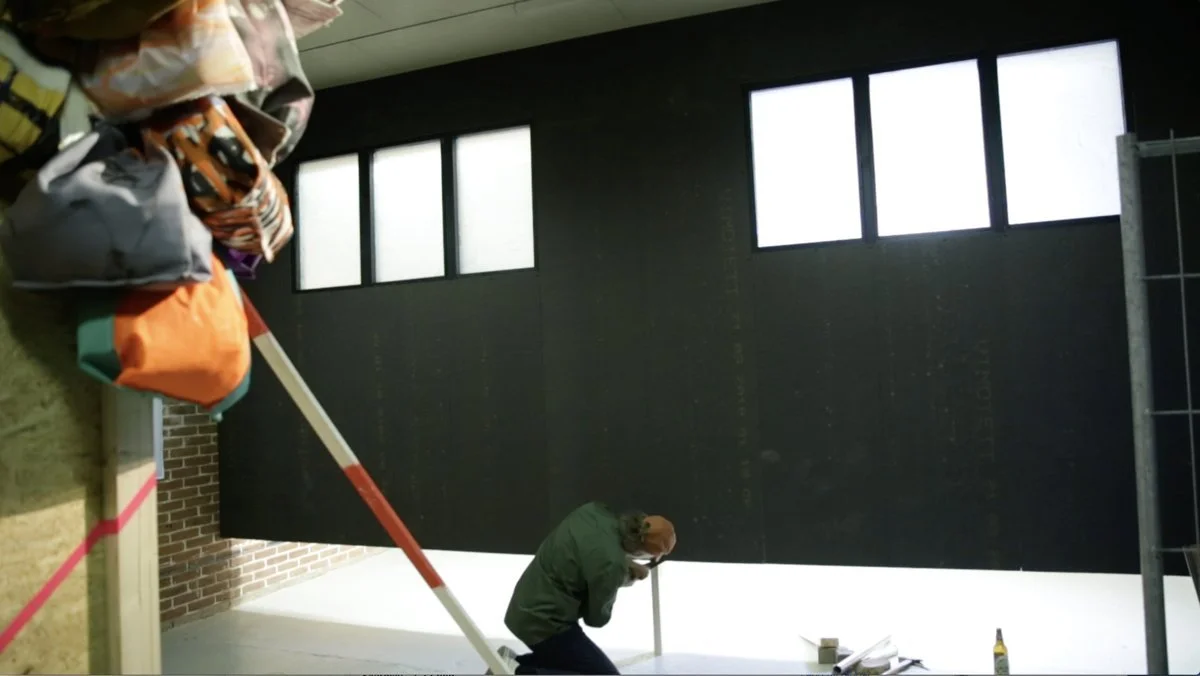
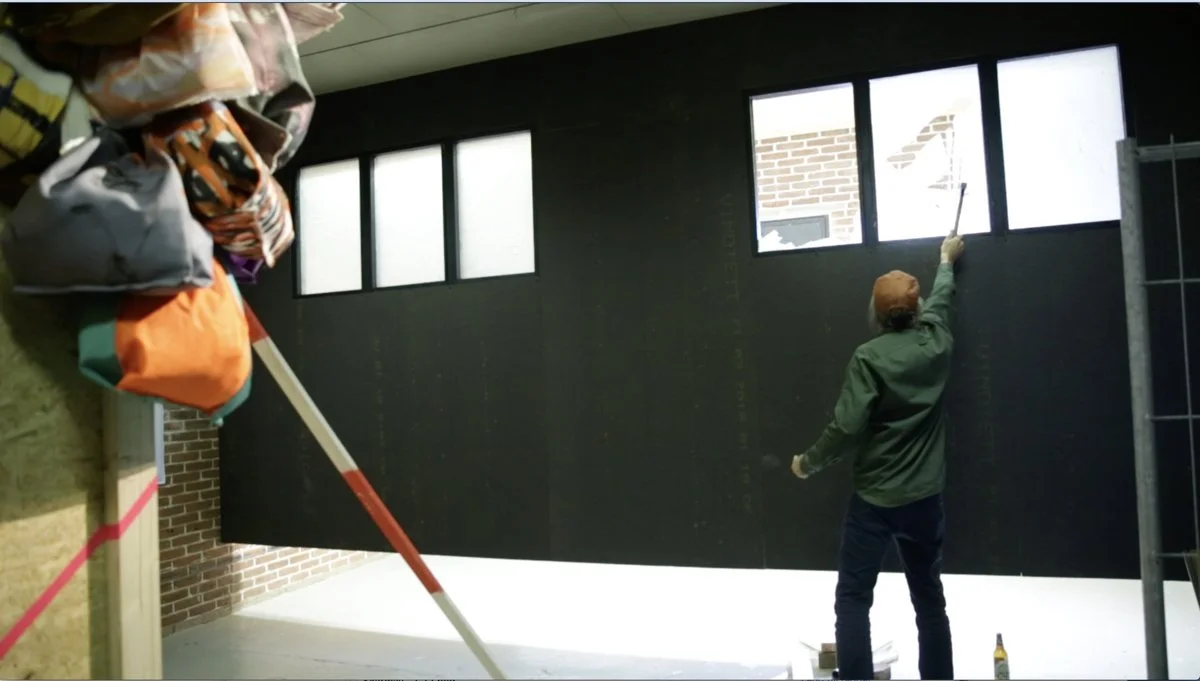
When the building was destroyed by fire shortly before the project, the work shifted. Using Google Street View as the only remaining visual reference, the site was digitally revisited and documented through screenshots. These images were printed and used to reconstruct fragments of the stable within the gallery.
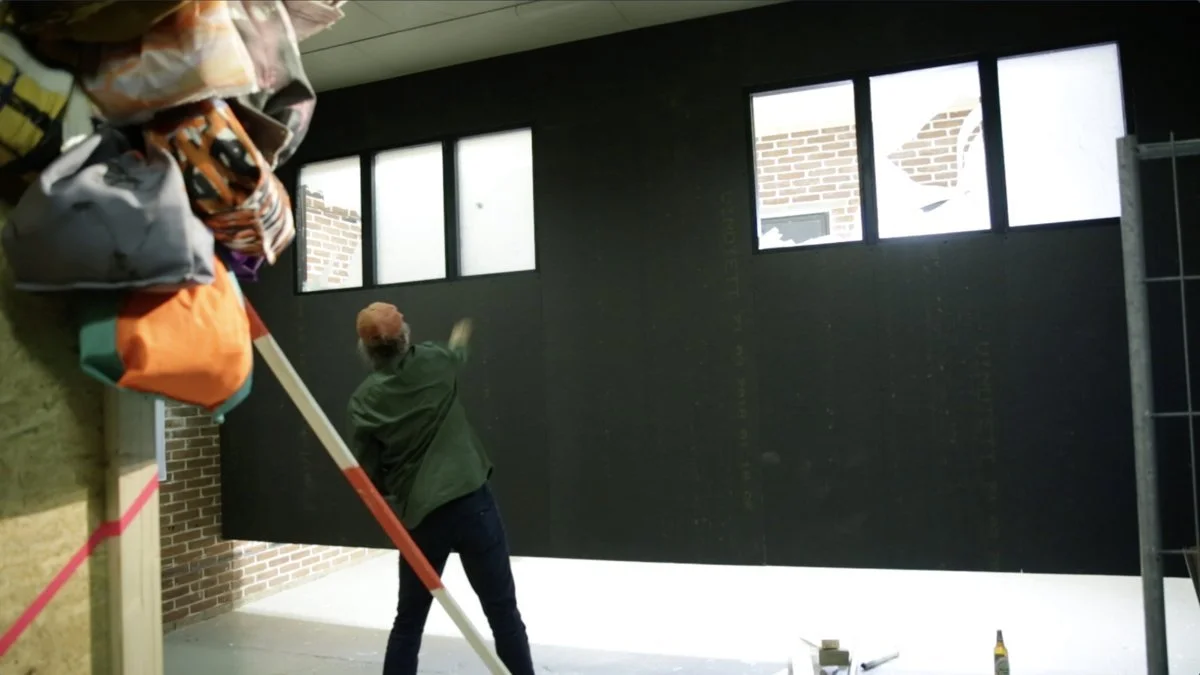
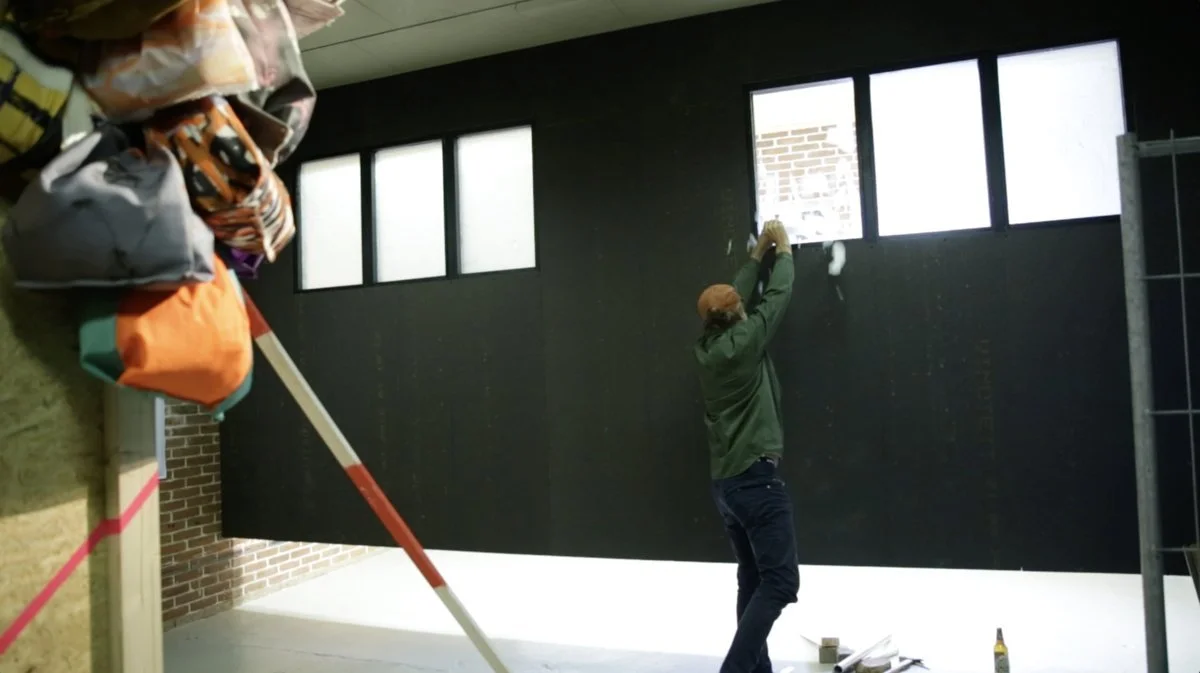
During the exhibition opening, the recreated windows were shattered in a performative act, allowing light to spill out as originally intended on site. The work became an act of displacement and reconstruction—an exploration of loss, mediation, and the persistence of light as gesture and resistance.